
SMILE Eye Surgery in NYC
SMILE is a flapless laser procedure for nearsightedness, with or without astigmatism. It reshapes the cornea through a small opening to reduce dependence on glasses and contact lenses. Although people sometimes search for “SMILE LASIK,” SMILE and LASIK are different procedures.
At NY LASIK, Dr. Leonard Bley evaluates your prescription, corneal measurements and visual goals to help determine whether SMILE or another treatment fits your eyes.

How SMILE works
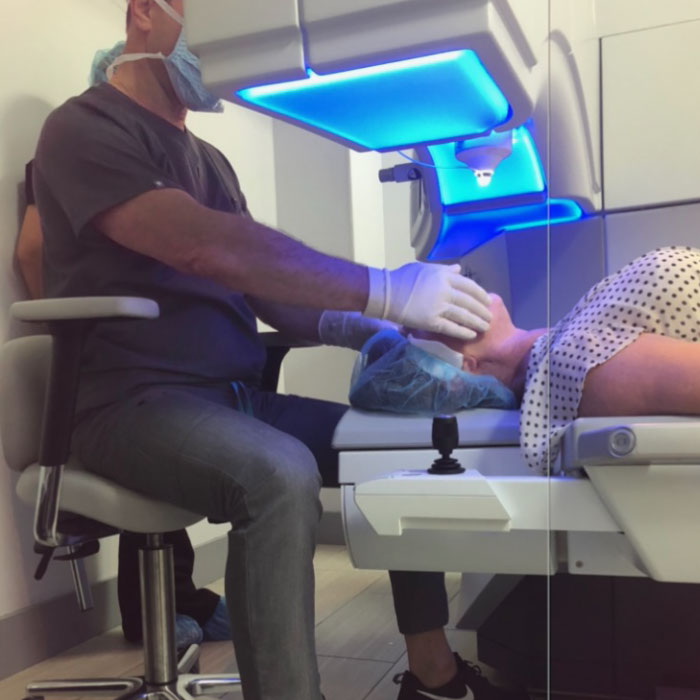
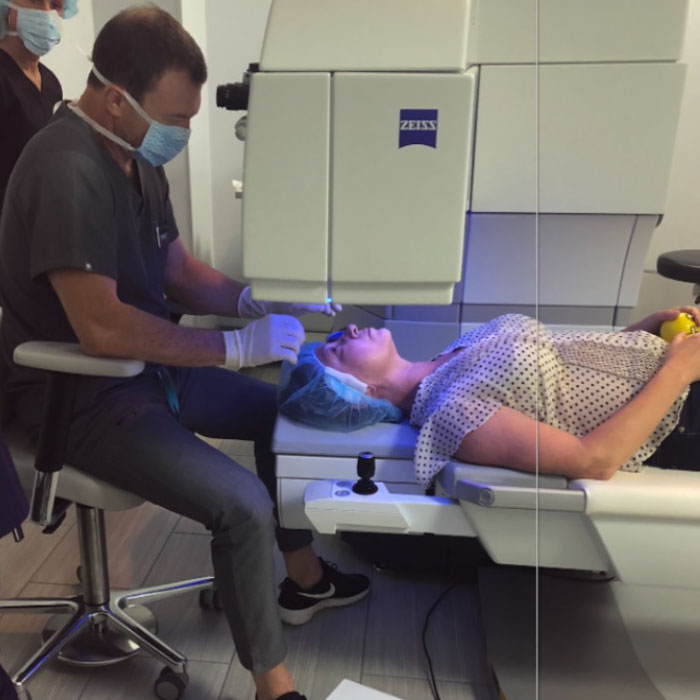
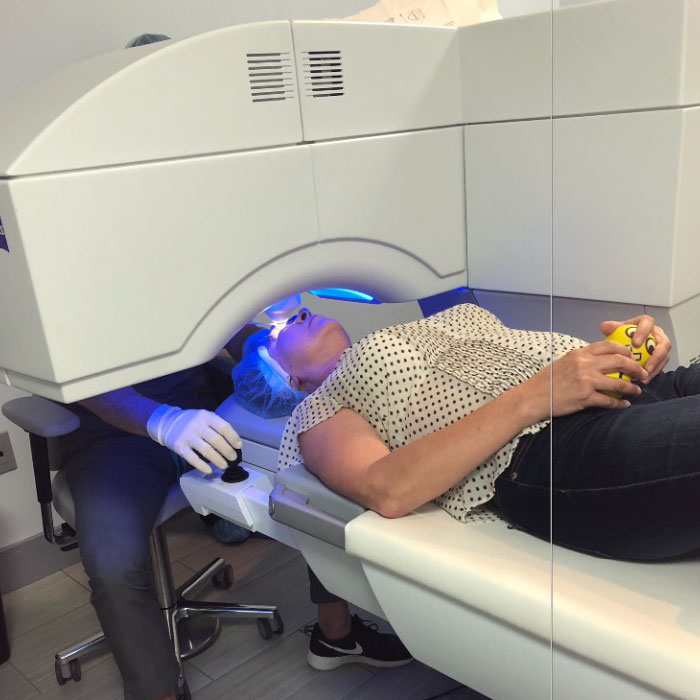
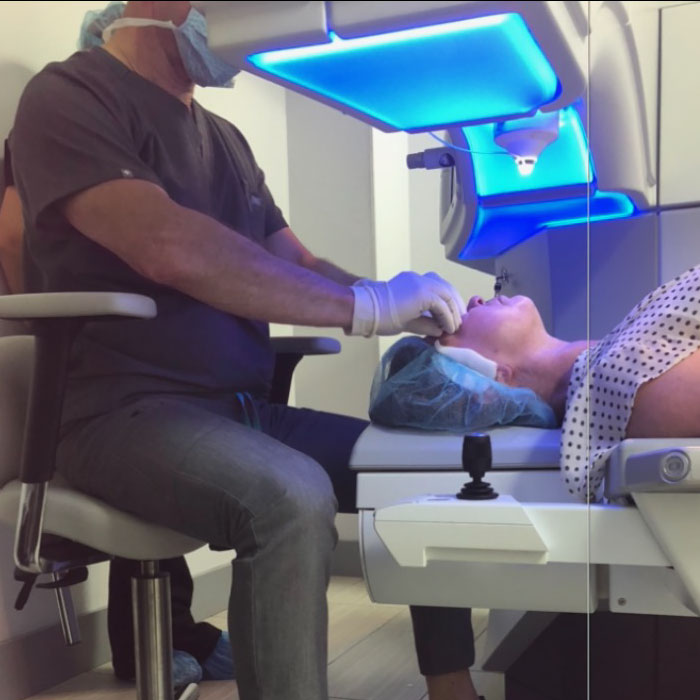
A femtosecond laser creates a thin piece of tissue, called a lenticule, inside the cornea. The surgeon removes that tissue through a small opening, changing the cornea’s shape and how it focuses light. A LASIK-style flap is not created.
The laser treatment is one part of the appointment. Preparation, positioning, lenticule removal and postoperative checks take additional time. Ask your coordinator how long to allow for your visit and arrange an escort home.
Who may qualify for SMILE?
The U.S. VisuMax SMILE patient labeling describes treatment for adults age 22 or older with a stable prescription and eligible myopia, with or without astigmatism. Your surgeon must also assess corneal shape and thickness, tear-film health and the rest of the eye. A prescription alone cannot establish eligibility.
Tell the team about dry eye, previous eye surgery, medications, pregnancy or breastfeeding. Review our vision correction candidacy guide and options for thin corneas before your evaluation.
SMILE, LASIK or PRK?
- SMILE: removes a lenticule through a small opening without creating a corneal flap.
- LASIK: reshapes tissue beneath a flap; topography-guided Contoura Vision is a LASIK approach.
- PRK: treats the corneal surface and has a different early healing process.
Flapless surgery can be relevant to your activities, but it does not automatically make SMILE the best choice. Compare the procedures in our LASIK, PRK, SMILE and EVO ICL guide.
Recovery after SMILE
Early vision may fluctuate, and your eyes may feel irritated or light-sensitive. Some patients resume light routines the next day, but that is not a promise or clearance to drive. Your surgeon will check healing and advise when you can return to work, exercise, swimming and contact sports.
Use prescribed drops as directed, avoid rubbing your eyes and attend follow-up visits. Plan your commute and screen-based work around the instructions you receive. Contact the surgical team promptly for worsening vision, substantial pain or symptoms that concern you.
Benefits, limitations and risks
SMILE can reduce glasses dependence without a LASIK flap. It can still cause dry eye, glare, halos, residual prescription and other visual symptoms. Infection, inflammation, tissue-related complications and loss of vision are possible. Additional treatment or glasses may be needed. SMILE does not stop age-related reading-vision changes or guarantee 20/20 vision.
Questions to bring to your evaluation
Can SMILE treat my astigmatism?
Some nearsighted patients with astigmatism qualify. Ask how your measurements compare with the device’s approved treatment range and whether another option would better address your needs.
Does SMILE prevent dry eye?
No. Dry-eye symptoms can occur after SMILE. Existing symptoms deserve evaluation before deciding on surgery.
What if I am not a candidate?
Your options may include glasses, contacts, another corneal procedure or EVO ICL. The right alternative depends on the reason SMILE is unsuitable.
Patients considering vision correction in New York City, Manhattan, Brooklyn and Queens can start with a personalized evaluation at NY LASIK.
Patient education: FDA-hosted VisuMax SMILE patient booklet; ZEISS recovery information and possible side effects. Individual instructions take precedence over general recovery information.