

Astigmatism & laser vision correction
LASIK for Astigmatism in NYC
A clearer view starts with understanding your prescription and the shape of your cornea. Explore personalized vision correction in New York, NY.
Manhattan
Brooklyn
Queens
Home / LASIK for Astigmatism in NYC
The short answer: LASIK can correct many cases of regular astigmatism in eligible adults by reshaping the cornea. Your prescription alone does not establish eligibility: corneal shape, thickness, tear-film health and prescription stability all matter. NY LASIK evaluates patients in Manhattan, Brooklyn and Queens and offers several vision-correction options when LASIK is unsuitable.
The first stepCorneal mapping
Treatment choiceBased on your exam
Local access3 NYC offices
What is astigmatism?
Astigmatism is a focusing error associated with the shape of the cornea or the lens inside the eye. Instead of focusing light evenly, the eye can produce blurred or distorted vision at more than one distance. It often occurs alongside nearsightedness or farsightedness. An eye examination identifies the type of focusing error and whether something else contributes to your symptoms.
People researching astigmatism treatment often describe overlapping letters, eyestrain or difficulty seeing sharply at night. Those symptoms do not diagnose astigmatism on their own. Dry eye, cataracts and other conditions can also affect visual quality, which is why planning begins with an examination rather than a procedure recommendation.
On a glasses prescription, cylinder describes the amount of astigmatism correction and axis describes its orientation. Your surgeon considers both, together with measurements of the eye. Bring your current glasses and older prescriptions if you have them.
Can LASIK correct my type of astigmatism?
Regular astigmatism may be treatable with LASIK when the eye meets the requirements of the planned laser treatment. Irregular astigmatism requires closer investigation. It may be related to a scar, an unstable tear film or a corneal disorder such as keratoconus.
A customized laser does not make every irregular cornea suitable for surgery. An abnormal map may be a reason to avoid corneal laser treatment. Your examination should establish the cause of the irregularity before any treatment is discussed.
There is no single prescription number that guarantees approval. The planned correction, available tissue, corneal measurements and device labeling must be considered together. A higher cylinder does not automatically mean that surgery is impossible, but it can change the options and expected results.
How Contoura fits into astigmatism treatment
Contoura Vision LASIK uses topography measurements to help plan treatment around the corneal surface. NY LASIK offers this approach as part of its vision-correction services. It is still LASIK: the treatment involves a corneal flap and laser reshaping, with the same need for careful screening and aftercare.
At a consultation, ask what your topography shows, which part of your prescription the proposed treatment addresses, and why the surgeon recommends it for your eyes. Better planning starts with reliable measurements. An unstable tear film or contact-lens-related changes may require treatment or repeat measurements before a surgical plan is final.
What happens at an astigmatism evaluation?
-
Confirm the prescription
The examination measures vision with and without correction and reviews whether your prescription has changed.
-
Map the cornea
Shape and thickness measurements help identify irregularities and assess the tissue needed for treatment.
-
Evaluate the whole eye
The doctor considers the tear film, eyelids, natural lens, retina and relevant medical history.
-
Discuss the alternatives
You receive a recommendation based on the findings, along with expected benefits, limitations, risks and follow-up needs.
Tell the team about contact lenses, previous eye surgery, medications, pregnancy or nursing, and any history of eye injury. Ask for contact-lens instructions before your appointment; the required break depends on the lens type and your measurements.
Compare options for astigmatism
| Option | How it may fit | What still needs evaluation |
|---|---|---|
| LASIK / Contoura | Corneal laser correction for suitable eyes. | Prescription, shape, thickness and ocular surface. |
| PRK | Surface laser treatment without a LASIK flap. | Healthy cornea, tissue calculations and a longer early recovery. |
| SMILE | A small-incision option for certain myopic prescriptions with astigmatism. | Device eligibility and individual corneal measurements. |
| Toric EVO ICL | A lens-based option for eligible patients with myopic astigmatism. | Internal eye dimensions, cell health and implant suitability. |
| Glasses or contacts | Non-surgical correction that remains appropriate for many people. | Prescription accuracy, comfort and corneal health. |
Read about PRK in NYC, SMILE and EVO ICL. Each has its own indications and risks; none is the automatic substitute for an unsuitable LASIK result.
Recovery, results and cost
Many LASIK patients notice early improvement, but clear vision on the first day is not the same as completed healing. Dryness, fluctuations and nighttime symptoms can occur. Follow-up examinations determine when you may drive and return to activities. Arrange transportation for surgery and keep the prescribed visit schedule.
Residual astigmatism is possible, and glasses or additional treatment may still be needed. LASIK does not prevent age-related reading-vision changes or cataracts. Discuss both your distance-vision goals and the tasks that matter most, including computer work and night driving.
For pricing, use the practice’s LASIK cost guide and request an itemized quote. Confirm whether diagnostic testing, follow-ups and any enhancement policy are included. Astigmatism does not have a universal surcharge, and a general price range is not a personalized estimate.
New York, NY · Three locations
Plan your visit in Manhattan, Brooklyn or Queens
NY LASIK offers consultations and follow-up care across New York City. Choose the office that fits your commute and discuss where your testing, procedure and postoperative visits will take place. Confirm the location of each appointment when you schedule.
For Manhattan commuters, Brooklyn residents and patients traveling from Queens or elsewhere in NY, planning transportation is part of preparation. Arrange an escort when your care team requests one, and ask whether dilation will affect your trip home.


Frequently asked questions
Does LASIK permanently remove astigmatism?
LASIK permanently reshapes corneal tissue, but it does not guarantee a lifelong zero prescription. Residual correction, later prescription changes and age-related eye changes are possible.
Can I have LASIK if my astigmatism is high?
Possibly. Eligibility depends on the planned device treatment range, corneal measurements, tissue requirements and overall eye health. An examination is needed to compare suitable options.
Is irregular astigmatism the same as regular astigmatism?
No. Irregular astigmatism may reflect corneal disease, scarring or an unstable ocular surface. Identifying the cause matters before deciding whether surgery is appropriate.
Is Contoura automatically better for every patient?
No. Topography-guided planning is one approach to LASIK. The appropriate treatment depends on the measurements, prescription and medical findings in each eye.
Can PRK treat astigmatism?
PRK can treat certain astigmatism prescriptions in eligible eyes. It avoids creating a LASIK flap but still removes corneal tissue and requires recovery of the surface layer.
Will I still need reading glasses?
You may. Correcting distance astigmatism does not stop presbyopia, the age-related loss of near focusing ability. Discuss reading and distance goals together.
Can I start my evaluation in Brooklyn or Queens?
NY LASIK has offices in Manhattan, Brooklyn and Queens. Request your preferred office when booking and confirm the locations for testing, treatment and follow-up.
How do I prepare for a consultation?
Bring your glasses, available prescription history and medication list. Tell the team which contacts you wear and follow the contact-lens break instructions provided before testing.
Sources and patient education
This guide provides general education. Your examination and your surgeon’s instructions determine the options and recovery plan appropriate for your eyes.
- National Eye Institute: Astigmatism
- FDA: When is LASIK not for me?
- FDA: LASIK risks and choosing a surgeon
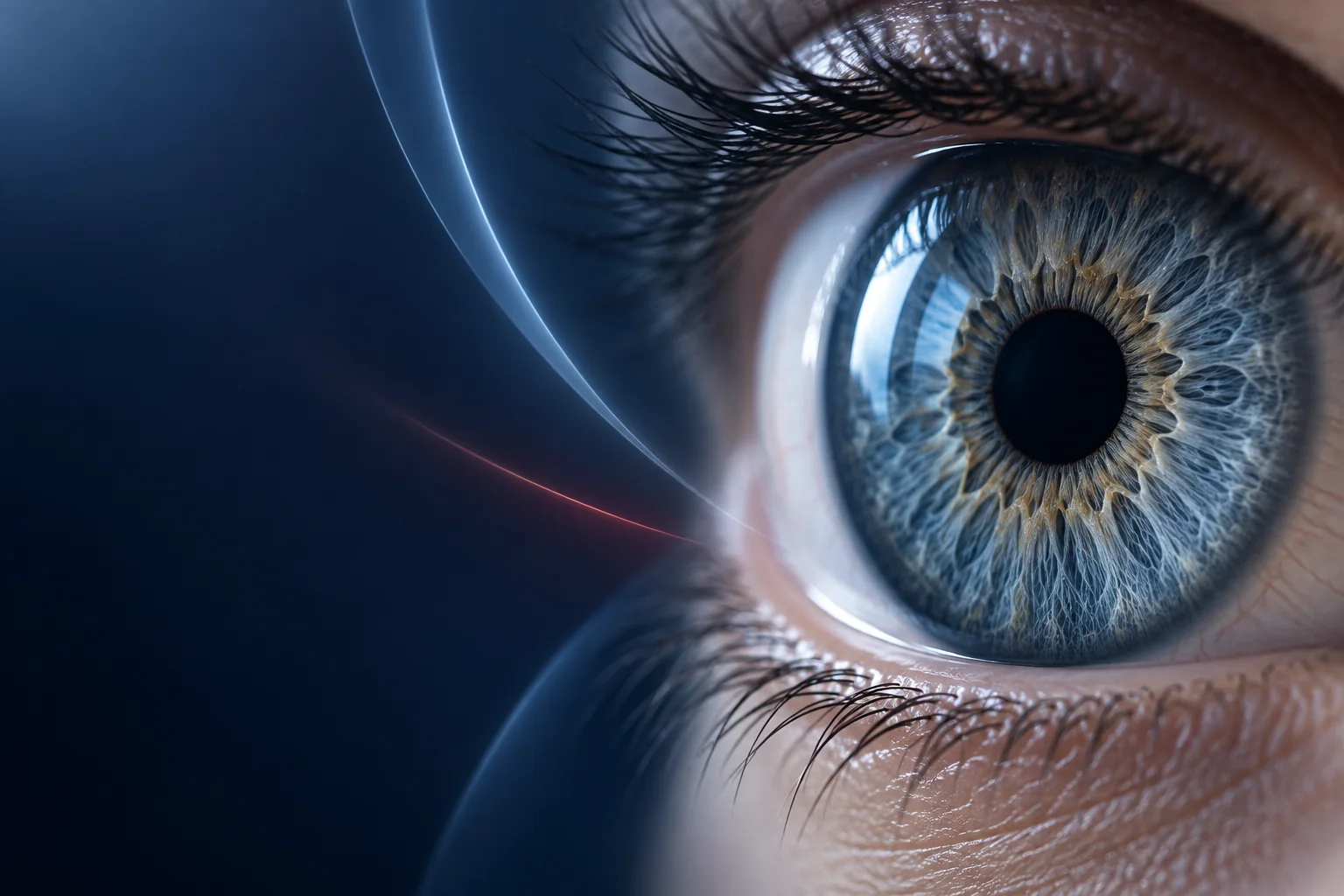
Hero image: AI-generated editorial illustration; not an actual patient or procedure.
Your next step
Make a plan for your vision
Discuss your questions and options with NY LASIK in Manhattan, Brooklyn or Queens.